
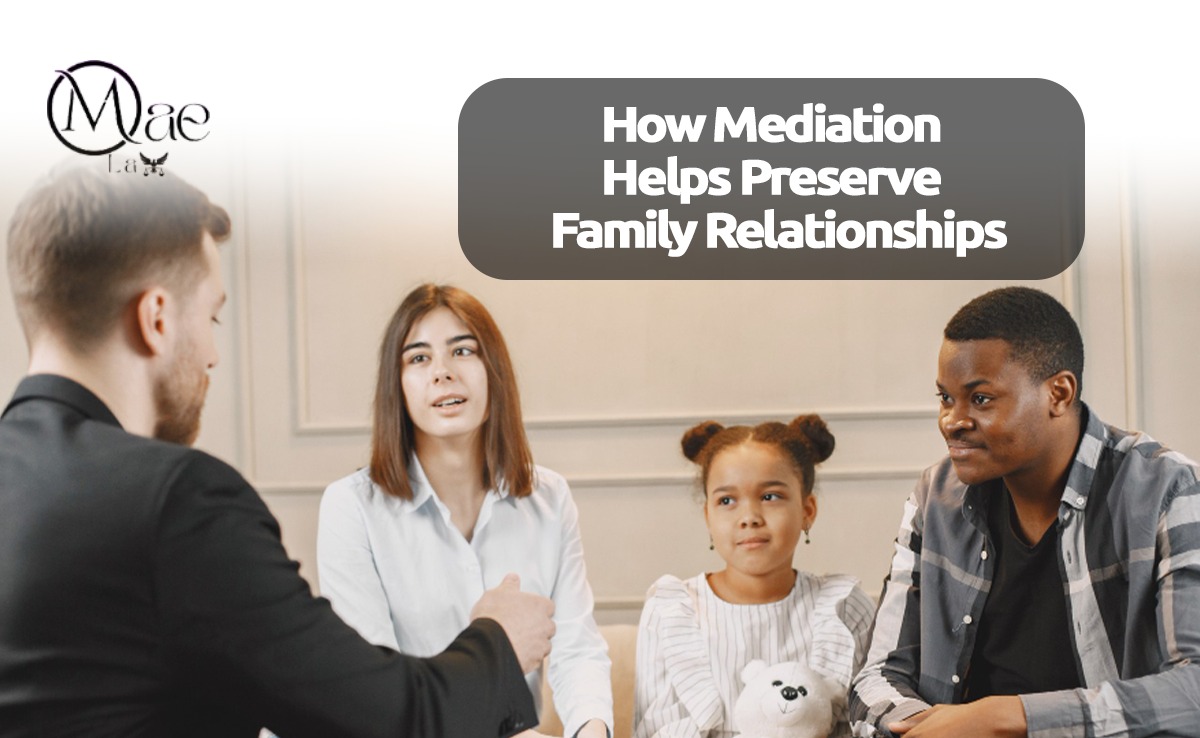
It is often the prevalent belief that litigation is the only path to resolving serious family disputes. However, litigation in most cases intensifies tensions among parties, create emotional distance, and make communication even more difficult. This is one of the main reasons that mediation has become a popular alternative tool for resolving family disputes
Mediation is not only about settling disputes; it is also about finding solutions while keeping relationships alive and thriving. Family members may disagree on important issues, but in many cases, they still want to preserve respect, communication, and long-term family connections.
Let’s explore how mediation works and how it can help preserve family relationships even during difficult times.
What is Family Mediation?
Family mediation is a process where an independent 3rd party called a mediator helps family members discuss issues and work towards a mutually acceptable outcome. The mediator does not make decisions or take sides but instead guides the discussions in a productive way.
Mediation is commonly used for:
- Divorce and separation matters
- Child custody and parenting arrangements
- Financial disputes
- Inheritance issues
- Family business conflicts
How Mediation Helps Preserve Family Relationships
1. Reduces Conflict
Litigation often creates a “win or lose” situation that can lead to a hostile environment. Mediation encourages cooperation and problem-solving while also preventing damage to family relationships
2. Improves Communication
Poor communication among parties is often the genesis of family disputes. Mediation, however, creates a structured setting where everyone has the chance to speak and be heard.
It Helps the parties;
- Express concerns respectfully
- Listen to each other
- Clarify misunderstandings
- Focus on solutions instead of blame
3. Protects Children’s Wellbeing
When disputes involve children, it now becomes important to reduce conflict among parties. Mediation helps parents focus on what is most important which is their children’s needs rather than personal disagreements.
Parents can work together on making the best decision that prioritizes the children’s wellbeing
This helps create a more stable and supportive environment for children.
4. Preserves Long-Term Relationships
Family members often remain connected even after disputes end. Parents continue co-parenting, siblings still attend family events, and relatives remain part of each other’s lives.
Mediation helps preserve these relationships by encouraging respectful communication and reducing resentment.
5. Gives Families More Control
Unlike litigation outcomes that is determined by a judge, mediation allows family members to reach an outcome that is the best for their specific circumstances.
When people help shape the outcome themselves, they are often more satisfied and willing to follow agreements.
6. Maintains Privacy
Family disputes can involve sensitive personal matters. Mediation generally takes place in a private setting unlike a court setting which is public, allowing participants to discuss concerns openly without public exposure.
This privacy can help maintain dignity and reduce unnecessary stress.
7. Time Saving
Litigation can sometimes take months or years to come to a resolution. Mediation is often faster and more flexible, helping parties move forward sooner and reducing emotional strain.
When Mediation May Not Be Suitable
Mediation may not always be appropriate go-to in every situation, particularly where there are issues at play such as;
- Safety concerns
- Domestic abuse issues
- Serious power imbalances
- Lack of willingness to participate honestly
It is best to always seek professional advice to help determine whether mediation is suitable.
Conclusion
Mediation offers a path to dispute resolution while also protecting the relationships that matter most. By improving communication, reducing conflict, and encouraging cooperation, it helps families find solutions without creating unnecessary divisions.
It is best to always seek professional advice to help determine whether mediation is suitable or not.
For more information and guidance, contact us now.
This Post Has 0 Comments