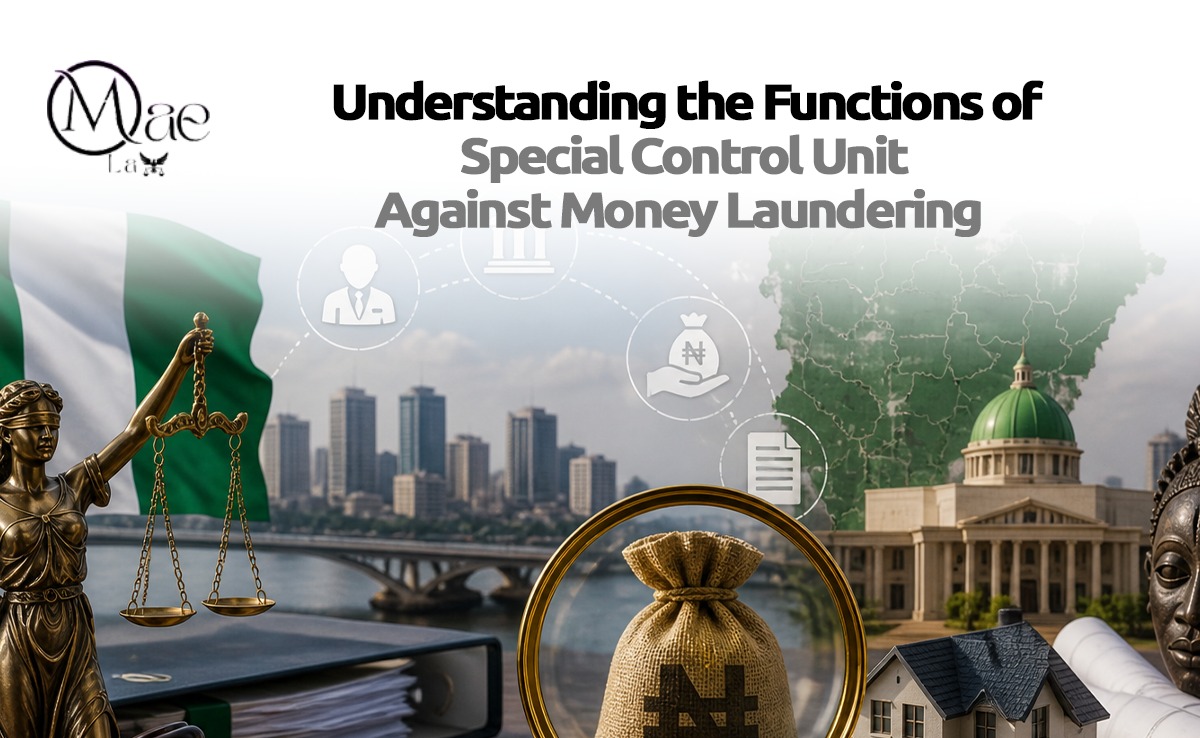
The Menace of Money laundering has become a major concern for governments and businesses around the world, and Nigeria is no exception. As financial crimes continue to become more sophisticated, regulatory bodies have had to adapt and become more active in monitoring businesses and financial activities. One of the key agencies tasked with this responsibility in Nigeria is the Special Control Unit Against Money Laundering (SCUML).
If you are a businessowner in Nigeria, especially in sectors that deal with large financial transactions, you may have heard about SCUML registration or compliance requirements. But many business owners still don’t fully understand what SCUML actually does or why it matters.
In this blog, we’ll break things down to help you understand the functions of SCUML and why compliance is important for businesses in Nigeria.
What Is SCUML?
The Special Control Unit Against Money Laundering is a unit established by the Nigerian government and operates under the supervision of the Economic and Financial Crimes Commission (EFCC) to monitor, supervise, and regulate certain businesses and professions that may be vulnerable to money laundering activities.
Its primary responsibility is to ensure that businesses comply with Nigeria’s Anti-Money Laundering (AML) laws and regulations.
Why Was SCUML Created?
Money laundering allows criminals to hide funds illegally obtained by making it appear legitimate. This can involve:
- Fraud
- Corruption
- Terrorism financing
- Drug trafficking
- Cybercrime
As a result of handling large sums of money certain businesses are more exposed to these risks
SCUML was created with the intention to:
- Prevent illegal financial activities
- Improve transparency in business transactions
- Help Nigeria meet international AML standards
- Safeguard the integrity of the financial system
Which Businesses Must Register with SCUML?
SCUML mainly regulates what are known as Designated Non-Financial Businesses and Professions (DNFBPs).
These include businesses such as:
- Real estate companies
- Law firms
- Hotels
- Casinos
- Dealers in luxury goods
- Accountancy firms
- Trust and company service providers
- Supermarkets
- NGOs and charities
- Consultants and brokers
If your business falls within these categories, SCUML registration may be mandatory for you.
Functions of SCUML
- Registration and Certification of Businesses
SCUML registers and issues certificates to designated non-financial businesses and professions (DNFBPs) operating in Nigeria. - Creating Awareness on AML Compliance
The agency educates businessowners on their obligations under Nigeria’s Anti-Money Laundering and Counter-Terrorism Financing (AML/CFT) laws and guidelines. - Monitoring and Supervision
SCUML monitors the activities of regulated businesses to ensure they comply with AML/CFT regulations. - Conducting Inspections and Compliance Checks
The agency carries out routine inspections, spot checks, and compliance reviews of businesses under its supervision. - Enforcement of Compliance Measures
In the event of violation or non-compliance, SCUML takes necessary enforcement actions to ensure businesses comply with AML laws and regulations. - Collection of Financial Transaction Reports
SCUML receives and processes cash transaction reports and other statutory reports before forwarding them to the Nigeria Financial Intelligence Unit (NFIU). - Maintaining a Database of Regulated Businesses
The agency keeps records and databases of DNFBPs and their financial activities to support monitoring and investigations. - Identifying Money Laundering Trends
SCUML analyses available financial data to detect suspicious patterns, emerging risks, and possible cases of money laundering or terrorism financing. - Supporting Criminal Investigations
The agency provides useful financial intelligence and information to law enforcement agencies to assist in investigating economic and financial crimes. - Collaboration with Relevant Stakeholders
SCUML works closely with regulators, law enforcement agencies, and other stakeholders to strengthen AML/CFT compliance in Nigeria.
Why SCUML Compliance Matters
Some businesses often view AML compliance as just another administrative burden. But in reality, compliance offers important benefits.
1.Protecting Your Business Reputation
A business found to be in connection with suspicious financial activities can suffer serious reputational damage.
Compliance helps demonstrate that your business:
- Operates transparently
- Follows legal requirements
- Takes financial integrity seriously
2. Avoiding Penalties and Sanctions
Failure to comply with SCUML requirements can result in:
- Fines
- Regulatory sanctions
- Business restrictions
- Delays in financial transactions
In some cases, non-compliance may even attract legal consequences.
3.Easier Banking and Financial Transactions
Some banks in Nigeria now request SCUML certificates before opening or operating corporate accounts for certain businesses.
4. Supporting International Business Relationships
As global AML standards become stricter, foreign partners and investors often expect businesses to demonstrate compliance.
Conclusion
The Special Control Unit Against Money Laundering plays a vital role in protecting Nigeria’s financial system from abuse and illegal activities. Through registration, monitoring, inspections, and awareness programmes, SCUML helps businesses operate more transparently and responsibly.
For businesses, compliance is not just about avoiding penalties, it’s about protecting reputation, building trust, and operating with confidence in an increasingly regulated business environment.
For more information and guidance, contact us now.
This Post Has 0 Comments