
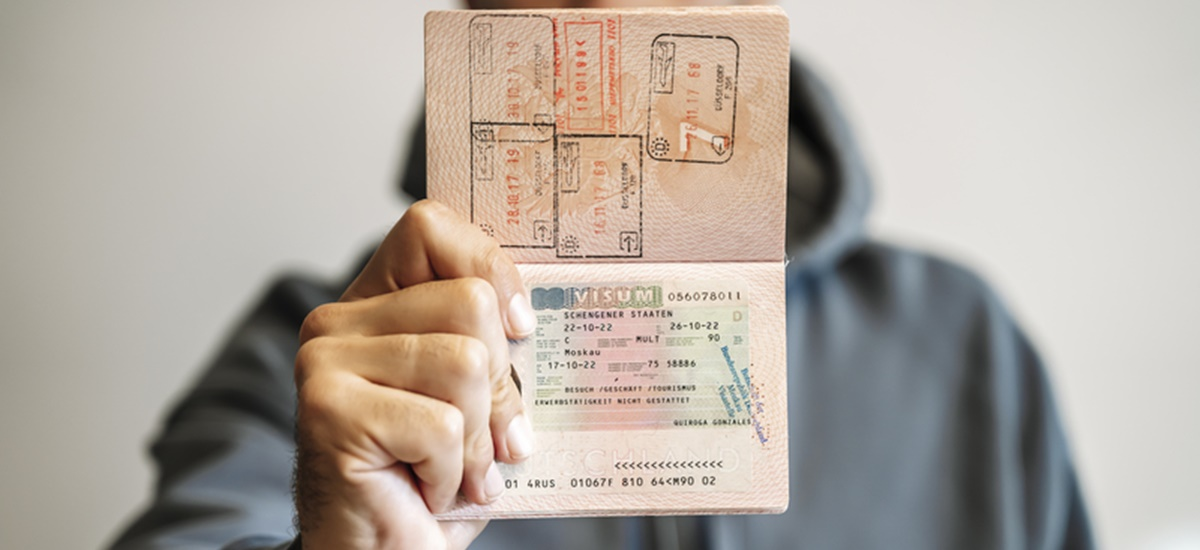
Knowing the Poland work visa requirements comes first if you intend to work in Poland. Poland has a clear process for hiring foreign employees, whether you are a seasoned professional or looking for entry-level employment. Knowing which papers you need, when to apply, and how to accurately follow each step is critical.
To get started, you need to have a Job Offer
You need a job offer from a Polish employer before you are eligible for a work visa. This is not discretionary. Your legal sponsor is your employer; therefore, on your behalf, he starts some of the procedures.
Before you start the visa application, you must apply for a work permit. Without this employer sponsorship, you are not qualified to apply for a Poland work visa.
Categories of Work Permits
Depending on the job and your position, Poland offers various kinds of work visas. Most often, a Type A Poland visa is used when you have a direct Polish company contract.
The local provincial Office processes these permit applications on behalf of your employer. Approval usually takes several weeks; therefore early beginning is advisable. Your position, job length, and working circumstances are all specified on the permit. You may proceed to the next stage once it is approved.
Applying for a National Visa (Type D).
When you have the authorized work permit in hand, you may decide to request a Poland visa permitting extended stay. This visa type is called a National Visa (Type D visa). This visa is granted based on your employment agreement; it may be extended, and it’s normally given for one year.
You must submit an application to the Polish consulate or embassy in your native country. Required documents usually include:
- Valid Passport
- Filled form for visa request
- A replica or photocopy of your work permit
- Your job agreement form
- Evidence of accommodation in Poland
- Health insurance
- Pictures in passport size
- Payment of the visa fee
Although processing times vary by nation, they often span 15 to 30 days.
Arrival in Poland and Registration
You can legally enter Poland and start working once your visa is accepted. Within four days of arrival, though, you have to register your home address at the local city hall. This is required for all foreign residents.
You might also need to seek a Temporary Residence Permit if your stay lasts three months. This permit is linked to your employment and lets you live in the country as long as you remain legitimately employed.
Extra rules for non-EU citizens
Work in Poland for foreigners and non-EU citizens have tougher rules for working in Poland. Unless you are married to a Polish citizen or satisfy a humanitarian exception, you will always need a work permit.
Through bilateral treaties, some nations get simplified working methods as well. Because exceptions may apply, verify the criteria depending on your citizenship.
What about the Poland Work Visa Renewal?
Most work allows for one year, but they can be renewed. Start the renewal process at least 30 days before expiry. Delays or gaps in legal status can influence your capacity to keep working or apply for future visas.
Should you move jobs, your new company must request a new permit. Employer-specific work permits in Poland mean you can’t legitimately change employers without applying again.
Conclusion
Getting a Poland employment visa is a systematic but rather straightforward process. Starting with a job offer, it concludes with legal residence in the nation. Your path to employment in Poland gets significantly less complicated once you have all the needed documents and approval.
Follow the process step by step. Always start early and be mindful of their renewal conditions. Poland has a vibrant job market and well-defined processes for foreign employees. Poland is waiting if you are relocating for a fresh opportunity or developing a long-term career.
This Post Has 0 Comments