
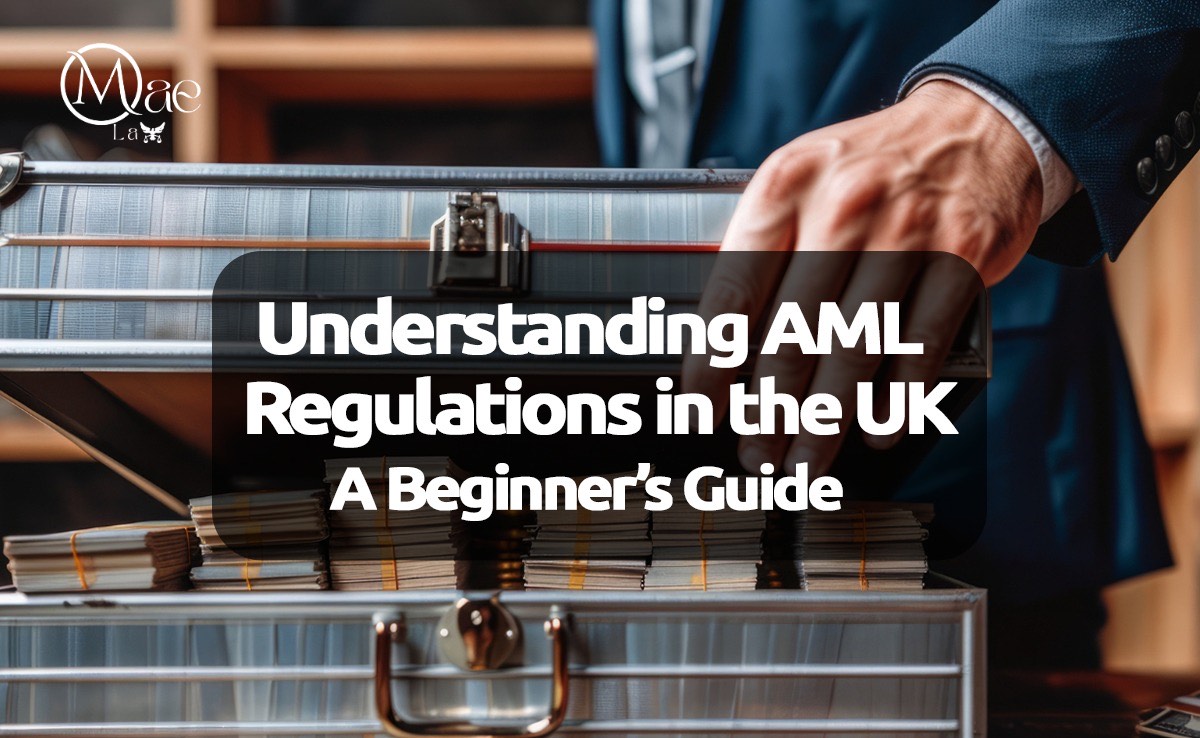
Money laundering may sound like something out of a Hollywood movie, but in reality, it’s a serious crime that affects economies, businesses, and individuals alike. In the UK, strict laws are in place to combat money laundering and protect the integrity of the financial system. These laws are collectively referred to as AML regulations, short for Anti-Money Laundering regulations.
Whether you’re a small business owner, a budding compliance officer, or just someone curious about how the UK fights financial crime, this guide is designed for you. We’ll break down the key components of AML rules, why they exist, and what they mean in practice, all in a beginner-friendly way.
What is Money Laundering?
Before diving into the specifics of the money laundering regulations in the UK, let’s start with the basics.
Money laundering is the process of making illegally-gained money (i.e., “dirty money”) appear legal or “clean.” Criminals employ this tactic to conceal the origins of their wealth, often utilising complex layers of transactions to obscure their activities.
It’s not just drug lords or fraudsters involved; money laundering can happen through:
- Real estate
- Shell companies
- Cryptocurrency
- Seemingly legitimate businesses
Why Are AML Regulations So Important?
Imagine a society where criminals could freely use their illicit gains to fund more crime or enter the legitimate economy without consequences. It would erode trust in financial institutions, distort markets, and pose national security risks.
That’s why anti-money laundering regulations in the UK are vital. They ensure that financial institutions and regulated businesses can detect, prevent, and report suspicious activity before it escalates into a larger problem.
What Are the Key Money Laundering Regulations in the UK?
The money laundering regulations in the UK are shaped by a combination of both domestic legislation and international directives. These laws are designed to help businesses detect, prevent, and report financial crime. Here are the most important ones you should know:
The Money Laundering, Terrorist Financing and Transfer of Funds Regulations 2017 (as amended)
This regulation is the cornerstone of AML regulations in the UK. Commonly known as the 2017 MLRs, these regulations require certain businesses to conduct risk-based customer due diligence, maintain detailed records, and report suspicious activity.
The Financial Services and Markets Act 2000 (FSMA)
The FSMA serves as the foundation for regulating the UK’s financial services industry. It also formally designates the Financial Conduct Authority (FCA) as the primary body overseeing anti-money laundering regulations in the UK, especially for banks, investment firms, and crypto businesses.
The Proceeds of Crime Act 2002 (POCA)
POCA sets out key money laundering laws in the UK, defining the criminal offences related to handling the proceeds of crime. It also requires businesses to report any suspicious transactions to the appropriate authorities. Non-compliance can result in serious legal consequences.
Supporting Guidance: FCA Handbook, JMLSG Guidelines, and HM Treasury Notices
In addition to legislation, several resources help businesses understand and meet AML requirements in the UK. These include:
- The FCA Handbook, which outlines expectations for regulated entities
- The Joint Money Laundering Steering Group (JMLSG) guidance for best practices
- Notices and advisories from HM Treasury, providing updates and additional insights
Key AML Requirements in the UK
Let’s take a closer look at some of the key AML requirements in the UK that businesses must meet:
1. Customer Due Diligence (CDD)
You must verify the identity of your clients before entering into a business relationship. This typically involves collecting official identification documents like passports or driver’s licenses.
2. Enhanced Due Diligence (EDD)
For higher-risk clients (e.g., politically exposed persons or clients from high-risk countries), more thorough checks are required. This might include source of funds verification or ongoing monitoring.
3. Ongoing Monitoring
AML compliance is not a one-time task. Businesses must continuously monitor transactions for anything suspicious or inconsistent with a customer’s profile.
4. Suspicious Activity Reports (SARs)
If you suspect that a client is involved in money laundering or terrorist financing, you must file a SAR with the National Crime Agency (NCA).
5. Risk Assessment
Businesses must conduct a written AML risk assessment covering the types of services they offer, the geography in which they operate, and the nature of their clients.
6. Internal Controls and Policies
You’ll need documented AML policies and procedures to show how your business detects and deals with money laundering risks.
7. Training
Staff must receive regular AML training tailored to their role. They need to know how to identify and respond to suspicious activity.
Penalties for Non-Compliance
Failing to comply with money laundering laws in the UK can lead to severe consequences. Penalties may include:
- Heavy fines
- Criminal prosecution
- Disqualification of company directors
- Reputational damage
- Loss of business license or registration
Even unintentional breaches can lead to enforcement actions, so it’s crucial to take AML obligations seriously.
Tips for Staying Compliant
Here are a few friendly reminders to help you stay on top of AML regulations in the UK:
- Keep your risk assessments and policies up to date
- Document everything, especially CDD and SARs
- Schedule regular staff training sessions
- Follow guidance from your regulatory body
- Don’t ignore red flags, even if they seem minor
- Consider outsourcing compliance if resources are tight
Conclusion
Many people assume that only big banks and financial giants need to worry about money laundering laws in the UK. But in reality, even the smallest law firm, accounting practice, or estate agency can unknowingly be used by criminals.
So, whether you’re new to the world of AML or just brushing up on the latest regulations, the key is to stay informed, be proactive, and seek help when needed. Compliance may seem complicated at first, but with the right tools and attitude, it’s manageable. For more information on AML, contact us.
This Post Has 0 Comments