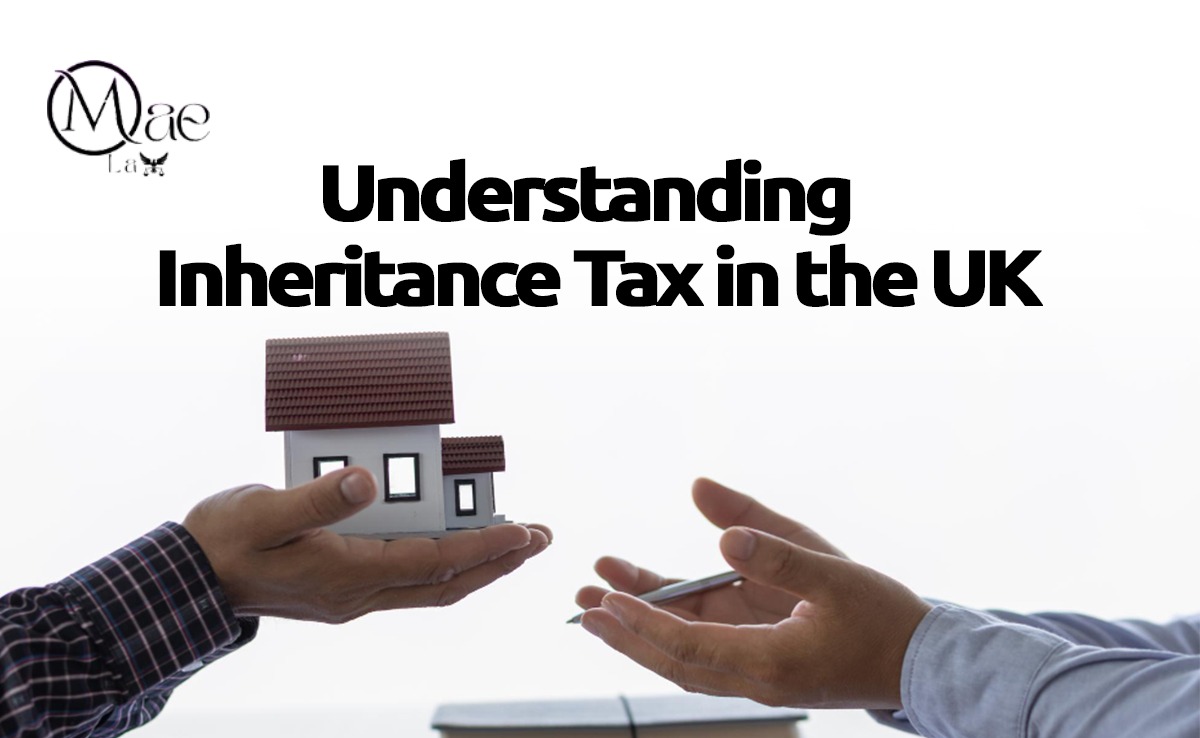
Inheritance Tax (IHT) can be intimidating, but with a little clarity, it becomes much easier to understand. This blog explains what IHT is, who pays it, the main rules and exemptions, how it’s calculated, recent changes to watch, and practical planning tips.
What is Inheritance Tax (IHT)?
Inheritance Tax is a tax that may be charged on the value of someone’s estate (their money, property, and possessions) when they pass away. The tax only applies to the part of the estate that’s above certain tax-free allowances. The standard IHT rate is 40% on the value above the tax-free threshold.
The key allowances
- Nil-rate band (NRB): every individual has a tax-free allowance of £325,000. If an estate is worth less than this, normally no IHT is due.
- Residence nil-rate band (RNRB) : if you leave your main home to direct descendants (children, stepchildren, adopted children, grandchildren), an extra allowance of up to £175,000 may be available. If both NRB and RNRB apply, a single person’s estate can often pass £500,000 tax-free (and married couples/civil partners can combine allowances). There is a taper: RNRB reduces for estates worth over £2 million.
Note that allowances can be transferred between spouses/civil partners, a surviving partner may inherit unused allowances from a deceased partner, which often doubles the available tax-free threshold for the second death.
Who actually pays IHT?
Normally, the estate pays IHT before assets are distributed to beneficiaries. If IHT isn’t paid from the estate (for example, when certain gifts are involved), the recipient of an asset may face a tax charge. Estates that give everything to a spouse, civil partner, charity or a community amateur sports club usually pay no IHT on that part.
How IHT is calculated; a simple example
- Add up everything the deceased owned (money, property, shares, certain life policies, possessions). Valuations often use the market value at date of death.
- Subtract debts and funeral costs.
- Subtract allowances (NRB, RNRB if applicable, transferable spouse allowance).
- Apply the IHT rate (usually 40%) to the amount above the allowances.
Gifts, the 7-year rule and exemptions
- Gifts made more than 7 years before death are usually IHT-free. If the donor dies within 7 years of making a gift, the gift may be taxed under taper relief (reducing rates depending on how many years between gift and death). This is often called the “7-year rule.”
- Common lifetime exemptions include:
- Annual exemption: you can give away up to £3,000 each tax year free of IHT (carry one year forward if unused).
- Small gifts: up to £250 per person per tax year (with conditions).
- Gifts in consideration of marriage (limits depend on relation).
- Gifts out of normal expenditure from income (regular gifts that don’t affect your living standard).
- Gifts to charities are generally exempt from IHT
Recent policy changes
The government has kept the main Inheritance Tax allowances (£325,000 and £175,000) frozen for several years, and they will stay frozen until 2029–30. Because of rising property and asset values, this means more people are likely to fall into the IHT bracket.
From April 2027, new rules are expected to make some pension pots count towards IHT, depending on how the pension is set up. The government is also making changes to business and agricultural reliefs, which could reduce how much tax protection these assets used to offer.
Overall, these updates mean more estates may end up paying inheritance tax in the coming years.
Practical planning tips
1. Make a will
This is the most important step. A will makes sure your assets go to the right people and helps you use tax-free allowances properly.
2. Check if the home allowance (RNRB) applies
If you plan to leave your home to your children or grandchildren, you may qualify for an extra tax-free allowance. Make sure this is clearly stated in your will.
3. Use your yearly gift allowances
You can give away certain amounts each year without paying IHT. Small, regular gifts can reduce your estate legally and safely.
4. Consider trusts carefully
Trusts can help reduce IHT, but they come with rules and responsibilities. Always get professional advice before setting one up.
5. Get advice if you own a business or farmland
Special tax reliefs may apply, but the rules are complicated and changing. A specialist can help you avoid costly mistakes.
6. Give to charity
Money left to charity is tax-free, and giving enough to charity may even reduce the IHT rate on the rest of your estate.
7. Review your pensions
Upcoming changes may affect whether pension pots are included in IHT. Check the rules and consider the best way to manage or pass on your pension.
Conclusion
Inheritance Tax applies only to estates above the available allowances, but frozen thresholds, rising asset values and recent reforms mean more families are being pulled into the tax net. The best, lawful actions are: make a clear, up-to-date will; use simple exemptions like annual gifting; check whether residence and spouse allowances apply; and get professional advice for anything complex (trusts, business reliefs, pensions). For more information and guidance, contact us now
This Post Has 0 Comments